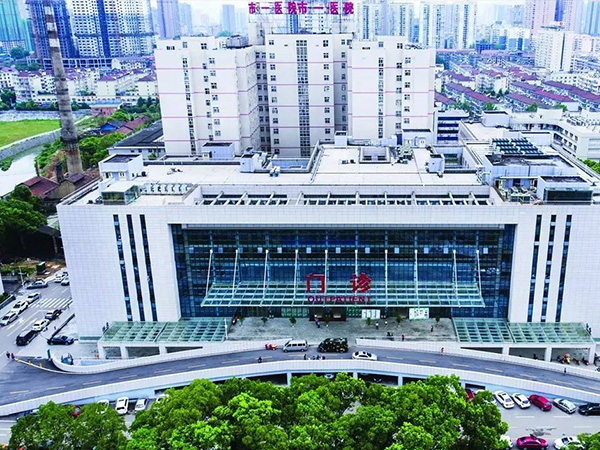
Huaihua First People's Hospital, founded in 1970, formerly known as the Hunan Provincial Railway Engineering Command Hospital and Huaihua Regional First People's Hospital, is a large-scale tertiary-level Class A comprehensive hospital in western Hunan Province integrating medical treatment, scientific research, teaching, rehabilitation, and prevention. It is one of the top 100 hospitals in China and a national model hospital trusted by the people. It is affiliated with Nanhua University, the Huaihua Clinical College of Nanhua University, a master's degree training center for Nanhua University and Jishou University, the Fourth Affiliated Hospital of Jishou University and the Fourth Clinical College of Jishou University, a national standardized residency training base, a national standardized training and retraining base for general practitioners, a national stroke screening and prevention base hospital of the National Health and Family Planning Commission, a national advanced stroke center under construction by the National Health and Family Planning Commission's Stroke Prevention Committee, a Hunan Provincial standardized residency graduation examination center, a Hunan Provincial clinical medical technology demonstration base for infectious diseases and critical illnesses, one of the first pilot hospitals for chest pain centers in Hunan Province, and the Huaihua City High-Risk Pregnant Women Rescue Center.
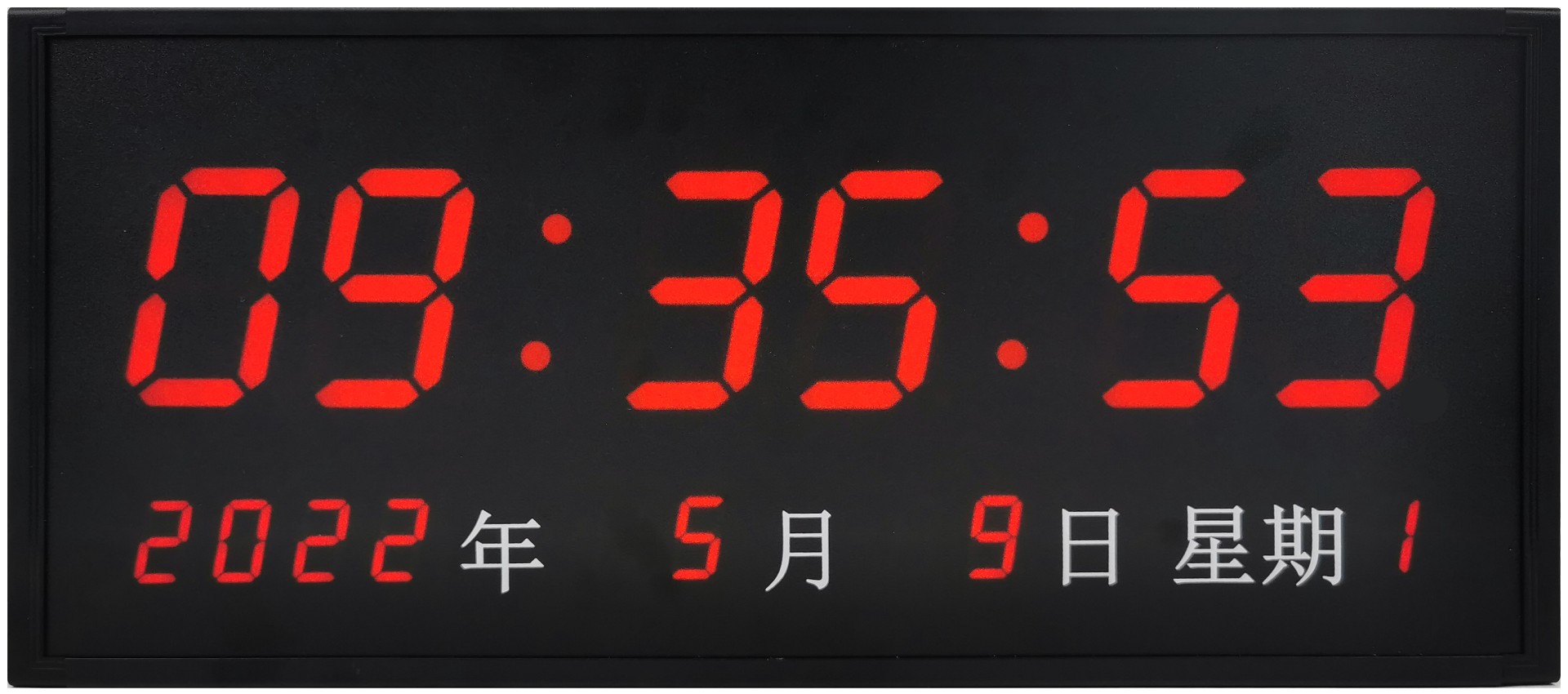
Solution: Shutai Hospital Clock System Deployed Hospital-wide
After thorough research, Huaihua People's Hospital ultimately selected the Shutai Hospital Clock System to build a unified, accurate, and reliable "time lifeline" for the entire hospital. This system, based on BeiDou/GPS dual-mode time synchronization technology, provides the hospital with a complete time synchronization solution.
System Architecture Design
The clock system designed by Shutai for the hospital adopts a layered architecture:
Central Master Clock System: Two BeiDou/GPS dual-mode master clocks, acting as backups, are deployed in the hospital's information center computer room. These clocks have built-in high-precision crystal oscillators and support redundant hot backup. When the master device fails, it automatically switches to the backup device with a switching time of less than 50 milliseconds.
NTP Time Server: Provides standard time to all hospital information systems via the network, covering HIS, LIS, PACS, and anesthesia systems, ensuring that medical data generated by each system has a consistent timestamp.
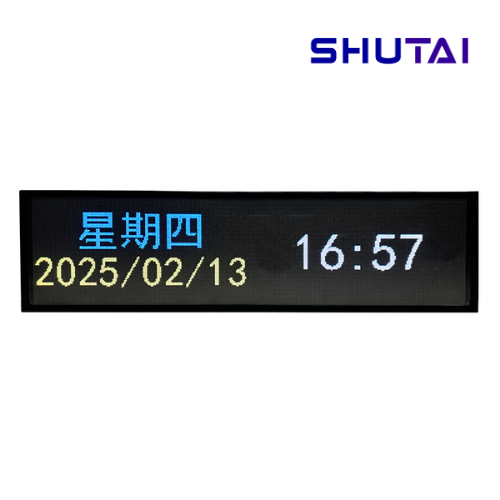
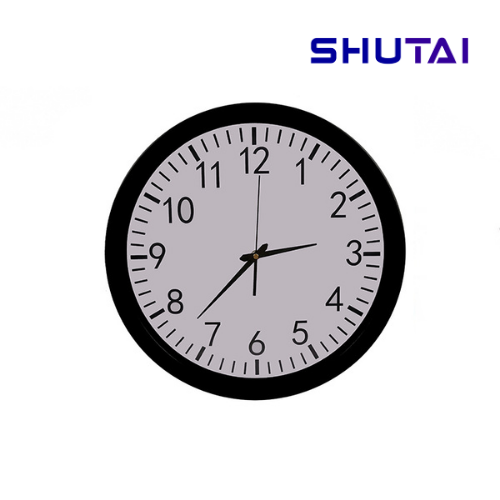
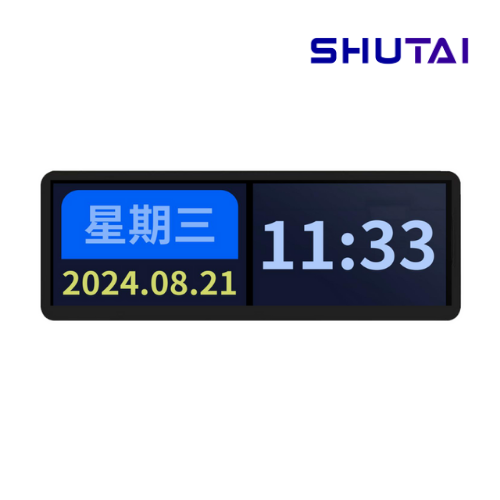
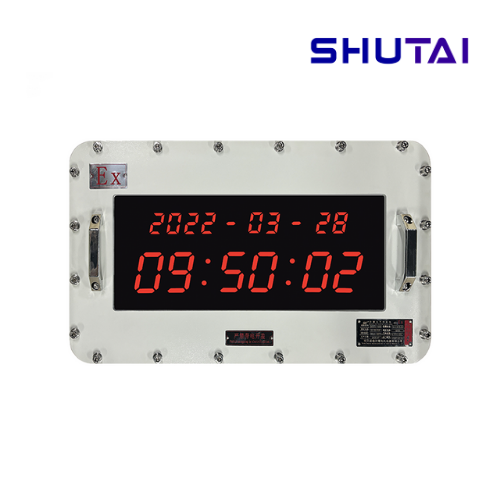
Terminal Slave Clock System: Digital slave clocks of various specifications are installed in key areas such as outpatient clinics, emergency rooms, ICUs, operating rooms, nurse stations, and pharmacies. These clocks display the year, month, day, hour, minute, and second, and have power-off memory and automatic time synchronization functions.
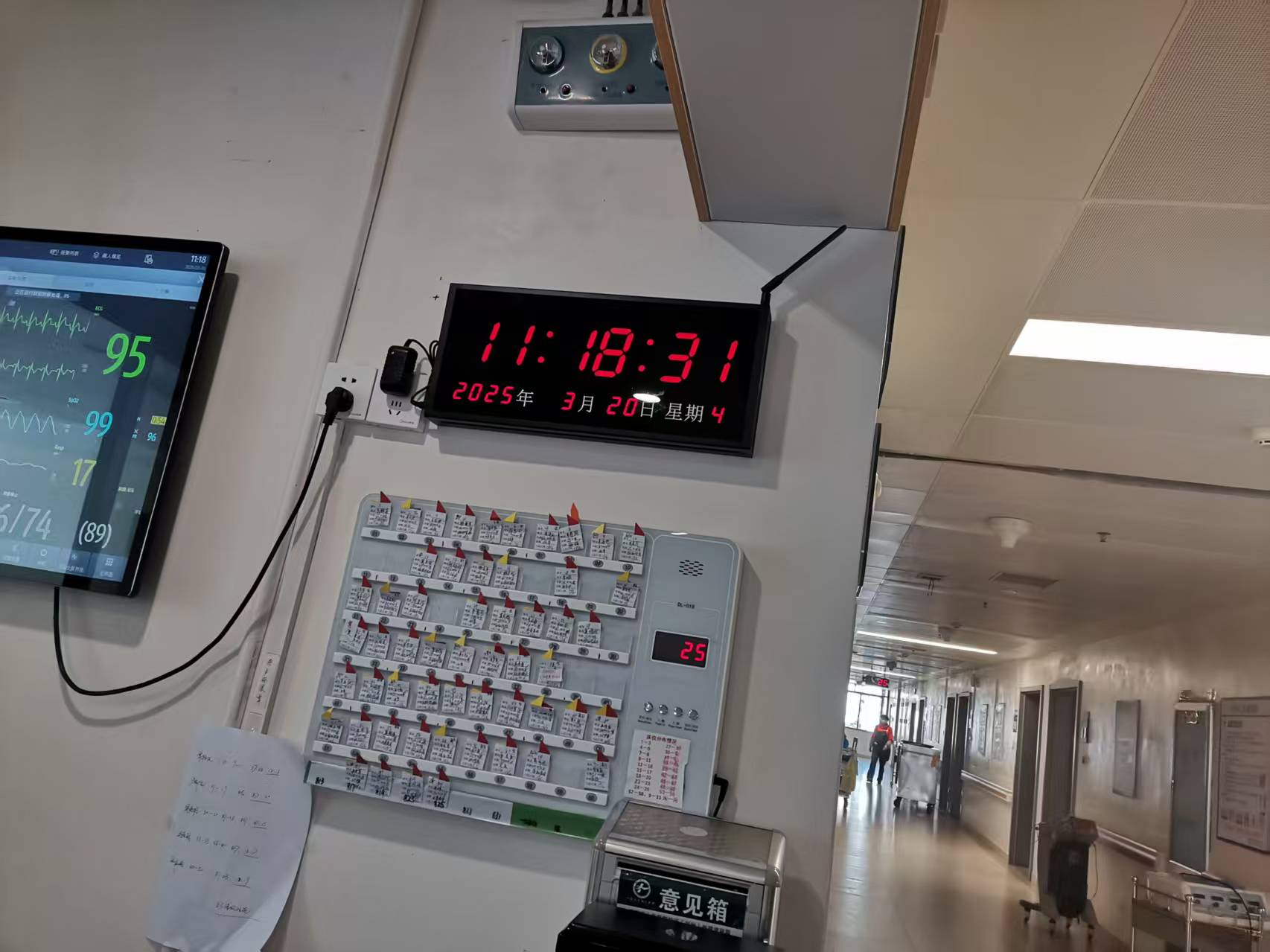
Core Product Advantages Implemented:
High-Precision Synchronization: The Shutai clock system utilizes BeiDou/GPS dual-mode satellite time synchronization, ensuring millisecond-level synchronization throughout the hospital. In critical areas such as the chest pain center, clock deviations in ECG machines and DSA operating rooms are strictly controlled within 0.3 seconds, while traditional clocks can have monthly errors of up to 5 seconds due to electromagnetic interference.
Hospital-Wide Coverage: The system provides a complete solution, from the central master clock and NTP time server to various terminal slave clocks, covering all areas including operating rooms, pharmacies, outpatient clinics, and nurse stations. Slave clocks support wired transmission, avoiding wireless interference and ensuring stable, uninterrupted signal transmission.
Stable and Reliable: The master clock employs a redundant hot backup design, ensuring 24/7 uninterrupted system operation. The system also supports network outage timekeeping functionality; even if the network is interrupted, slave clocks can still maintain time stability thanks to their built-in high-precision clock modules.
Customization Capabilities: Based on the different decoration styles and functional requirements of various areas within the hospital, Shutai provides customized slave clocks, including different sizes, appearances, and display content (such as temperature and humidity displays). In the pharmacy area, the slave clock integrates temperature and humidity sensors to monitor environmental parameters in real time.
Implementation Results and Value: After deploying the Shutai clock system, the hospital experienced significant improvements in medical safety, operational efficiency, and patient experience. In terms of medical safety, millisecond-level synchronization provides precise time support for emergency care and operating room collaboration, ensuring the consistency of timestamps across all hospital medical data. Operationally, the system enables efficient remote maintenance and, through a unified time benchmark, facilitates smoother processes such as cross-departmental collaboration and 5G remote surgery. For patients, a unified and clear time display reduces waiting anxiety and indirectly improves the timeliness of various examinations.
About Shutai Clocks: Shutai Clocks has been deeply involved in the time synchronization field for 15 years, focusing on providing high-precision, high-reliability timing solutions for industries such as healthcare, transportation, and finance. The DH2248, as its flagship product, has served over 200 tertiary hospitals nationwide, becoming the preferred brand for smart hospital time management with its core advantages of "second-level accuracy and plug-and-play."
 Back to List
Customer Hotline: