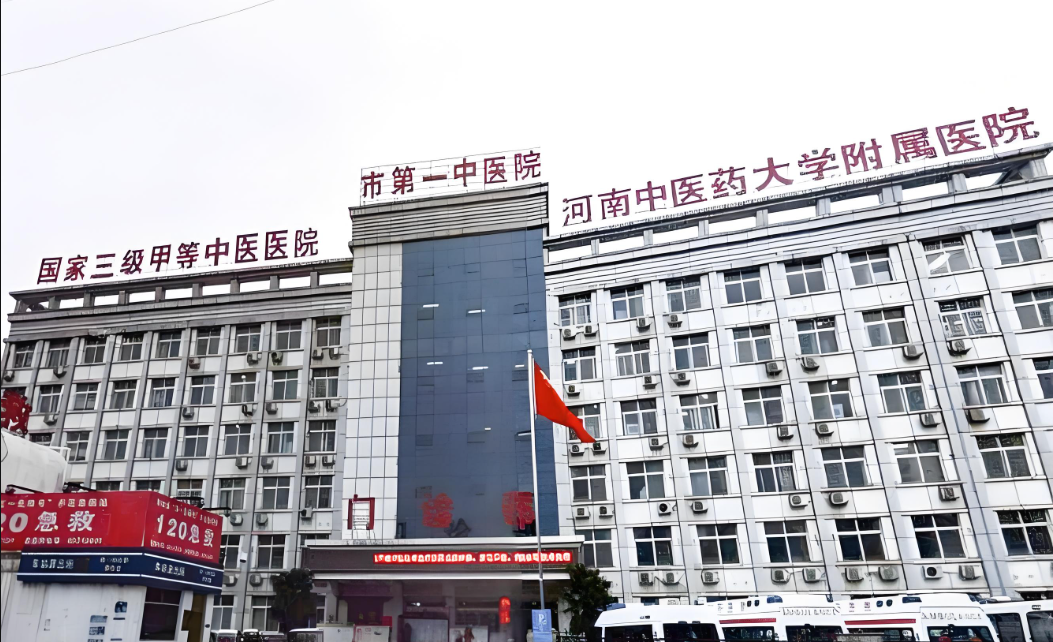
Luoyang First Traditional Chinese Medicine Hospital is the earliest established, largest, and most prominent comprehensive tertiary-level traditional Chinese medicine hospital in western Henan Province, integrating medical treatment, rehabilitation, scientific research, teaching, prevention, and healthcare. It is a teaching hospital of Henan University of Traditional Chinese Medicine, a nationally renowned hospital for treating difficult and complicated diseases with traditional Chinese medicine, a public welfare and caring hospital in Luoyang City, a designated hospital in the Henan Provincial Tumor Network Treatment System, and one of the first designated hospitals for medical insurance and new rural cooperative medical care. It has won numerous awards, including "Top Ten Trustworthy Hospitals for Transparent Consumer Spending in China" and "Luoyang City's Honest and Trustworthy Hospital Serving the People."
With the simultaneous development of its North and South campuses, the hospital's scale has doubled. The hospital has two campuses: the South Campus is located at No. 7 Jiudu Road, Xigong District, west of the Dingding Road Overpass, and houses the Luoyang City Emergency 120 station. It features departments such as critical care medicine, outpatient clinics, medical technology, and inpatient wards, specializing in traditional Chinese medicine orthopedics, interventional therapy, surgical procedures, and critical care medicine. The North Campus is located at No. 36 Bonan Road, Xigong District, and focuses on outpatient services, traditional Chinese medicine clinics, specialized traditional Chinese medicine disciplines, hemodialysis, obstetrics and gynecology, oncology, and rehabilitation medicine. The functional settings of the two campuses are both independent enough to meet patient needs and complementary, offering distinct advantages. Especially after the completion and opening of the new ward building on the North Campus, the hospital's bed capacity has doubled, traditional medicine has developed well, and modern scientific and technological advancements have been further strengthened and improved, making the efficacy of traditional Chinese medicine even more prominent and providing patients with convenient, fast, and high-quality traditional Chinese medicine services.
With the deepening of hospital informatization and the establishment of emergency pathways such as chest pain centers, the need for highly synchronized time across all departments and systems within the hospital has become unprecedented. The previous situation of independent and inconsistent clocks in various departments has become a potential risk to improving medical quality and safety:
- Emergency Procedure Challenges: Chest pain centers have strict time limits for key indicators such as "door-to-balloon time" (the time from the patient's arrival at the hospital to balloon angioplasty). Any time recording error can affect rescue efficiency and quality assessment.
- Medical Collaboration Challenges: When multiple departments such as operating rooms, anesthesiology departments, and nursing stations collaborate in treatment, the time of doctor's orders, medication records, and surgical logs must be completely synchronized; otherwise, it can easily lead to medical disputes.
- Informatization Management Challenges: Dozens of information systems such as HIS, LIS, PACS, and electronic medical records require a unified time base to ensure the consistency and traceability of data flow.
- Patient Experience and Management Challenges: Inaccurate time displays in waiting areas and outpatient halls can easily lead to patient misunderstandings and complaints, affecting hospital order and image.
Changsha Tianqiong Electronic Solutions
Addressing the complex needs of traditional Chinese medicine hospitals, Changsha Tianqiong Electronics has customized a comprehensive, high-precision time synchronization solution covering the entire hospital, integrating both hardware and software:
Authoritative and Unified Time Source: A core NTP time management server is deployed, receiving Beidou/GPS satellite signals to provide a standard and authoritative time base for the entire hospital.
- Comprehensive and Visible Time Coverage:
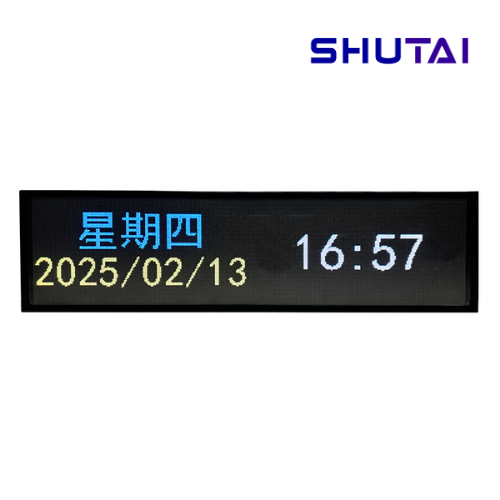
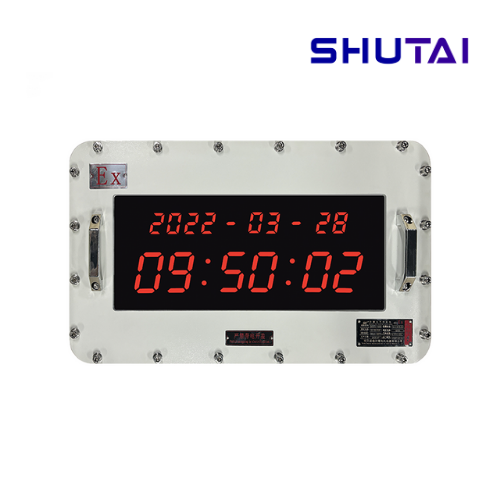
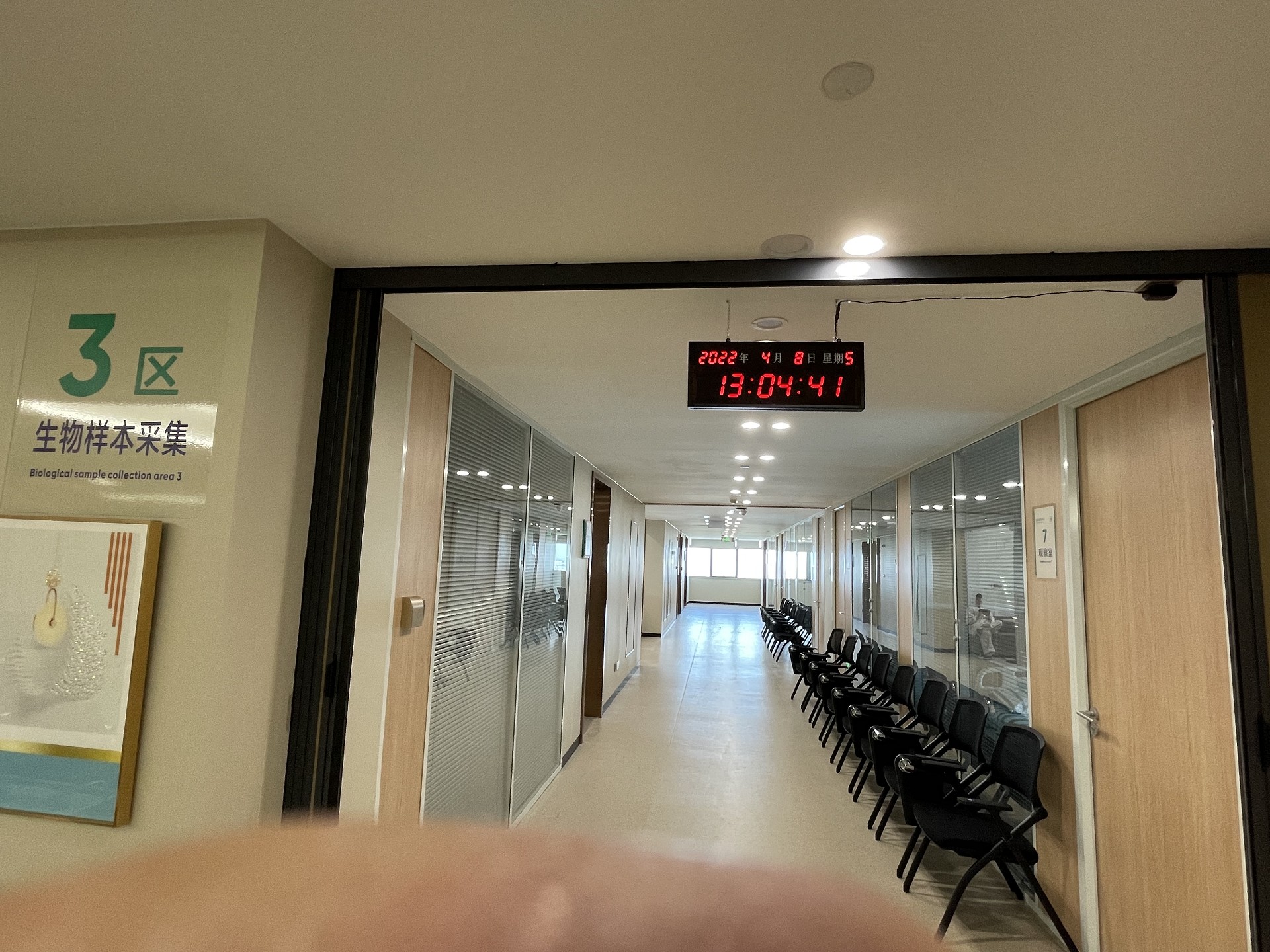
Critical Treatment Areas (Chest Pain Center, Operating Rooms, ICU): High-brightness digital clocks are installed, displaying time accurately to the second, saving precious time in life-saving situations.
- Daily Work Areas (Nurses' Stations, Pharmacies, Corridors):
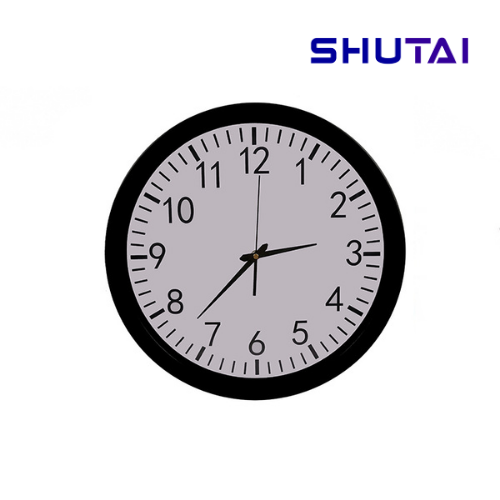
Aesthetically pleasing and durable clocks are installed, providing clear time references for medical staff and standardizing work processes.
- Public Areas (Waiting Rooms, Lobbies):
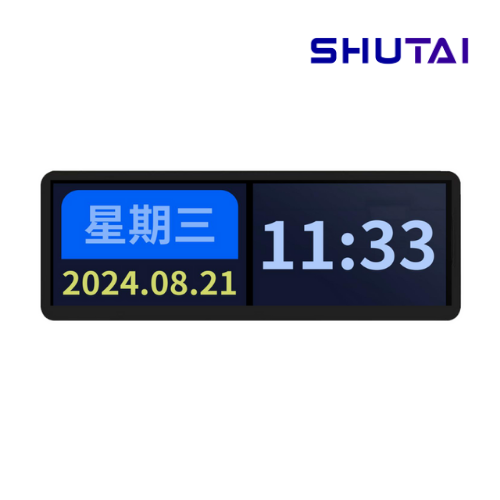
Large-sized clocks are installed to allow patients and their families to easily keep track of time, enhancing the service experience.
- Intelligent Software Centralized Management:
Through time management software, IT engineers can centrally monitor the working status and synchronization of all clocks and network devices in the background, enabling remote time calibration, fault alarms, and log management, significantly reducing maintenance costs.
- Automatic Synchronization of All Hospital Network Devices:
All computers, servers, and medical equipment connected to the hospital's internal network automatically synchronize with the NTP server, completely eliminating information silos and ensuring the integrity and consistency of medical data.
Achievements
After the system went live, it became a solid foundation for the modern management of Luoyang First Hospital of Traditional Chinese Medicine:
Ensuring Medical Safety and Efficiency: It provides precise timing for emergency procedures such as those in the Chest Pain Center, significantly improving the success rate of treating critically ill patients. Unified time in operating rooms and wards effectively avoids medical errors.
Improving the Hospital's Information Level: It establishes a unified time data foundation for the entire hospital, providing a reliable data timeline for DRG/DIP medical insurance payments, electronic medical record rating, etc.
Optimizing the Patient Experience: Accurate time display in public areas reflects the professionalism of hospital management and enhances patient trust.
Achieving Intelligent Operation and Maintenance: The software platform enables centralized and visual management of thousands of time nodes, significantly improving operation and maintenance efficiency.
Customer Testimonial
"Time is of the essence for hospitals, especially for chest pain centers. Tianqiong Electronics' clock system has not only solved the long-standing problem of inconsistent timekeeping across different departments, but also provided crucial technical support for building efficient and safe medical processes. This system is stable, accurate, and easy to manage, making it a highlight of our smart hospital construction project."
 Back to List
Customer Hotline: