Emerging Trends in AI-Driven Synchronization Technologies: What's Next for the Industry?
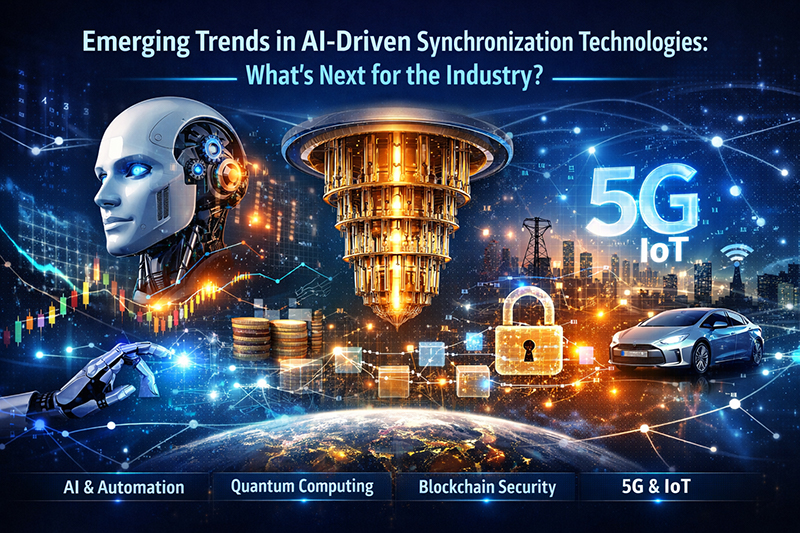
As the world becomes increasingly interconnected, the need for precise and reliable synchronization technology has never been more critical. From time synchronization in communications and financial transactions synchronization to media synchronization and data synchronization services, the technology behind synchronization is evolving rapidly. In this update, we’ll explore some of the key trends and advancements in AI synchronization technology and what they mean for industries across the board.
1. AI and Automation in Synchronization
Artificial Intelligence (AI) is transforming the synchronization landscape. AI-powered algorithms are now capable of automating complex synchronization tasks, allowing for faster and more accurate real-time synchronization. Whether it’s synchronizing time-sensitive transactions or ensuring flawless media playback synchronization, AI is significantly reducing the risk of errors and enhancing overall efficiency in synchronization systems.
2. Quantum Computing and its Impact on Precision
Quantum computing is expected to bring revolutionary changes to synchronization systems. By harnessing the unique properties of quantum mechanics, quantum synchronization could enable virtually instantaneous synchronization across global networks, making traditional synchronization technologies obsolete. While there are many challenges ahead, the promise of near-perfect accuracy is drawing significant interest from industries such as telecommunications and defense synchronization.
3. Blockchain for Secure and Transparent Synchronization
Blockchain technology is another innovation making waves in synchronization solutions. By using decentralized ledgers, secure synchronization can be made more transparent, which is critical for industries where security is paramount—such as healthcare synchronization and finance synchronization. Blockchain’s tamper-proof structure ensures that once synchronization events are recorded, they cannot be altered or disputed, providing an extra layer of trust in data synchronization.
4. Synchronization in the Age of 5G and IoT
The rollout of 5G networks is creating new opportunities for synchronization in IoT ecosystems. With 5G’s low latency and high bandwidth capabilities, IoT devices synchronization can now be achieved more efficiently than ever before. The result is more seamless interactions between devices and systems, leading to improved services and outcomes in smart cities synchronization and autonomous vehicles synchronization.
Conclusion:
The future of synchronization is being shaped by innovative technologies like AI synchronization, quantum computing synchronization, blockchain synchronization, and 5G synchronization. As industries continue to rely on real-time data synchronization, the need for advanced synchronization technologies will only grow. By staying ahead of these trends, businesses can ensure that they’re equipped to meet the challenges and opportunities of tomorrow.
Stay tuned for more updates in the world of synchronization technologies!
 Back to List

Customer Hotline: