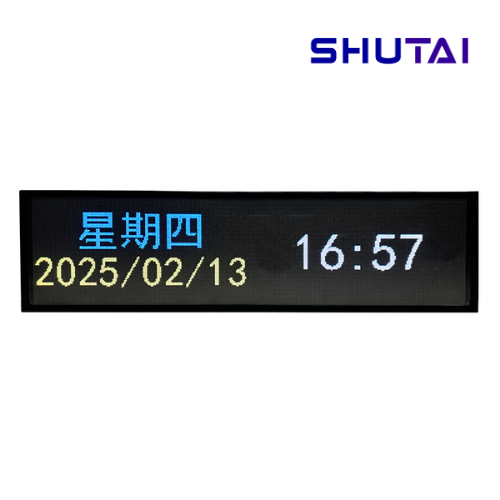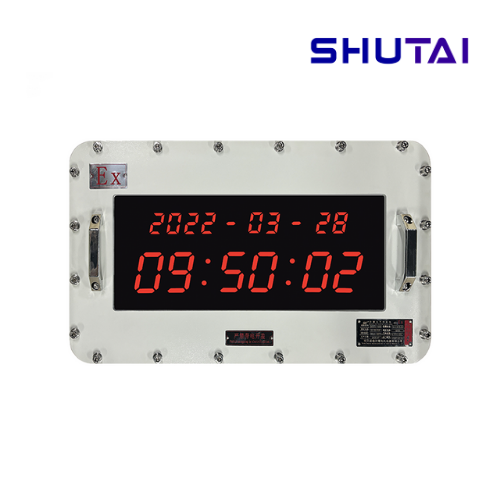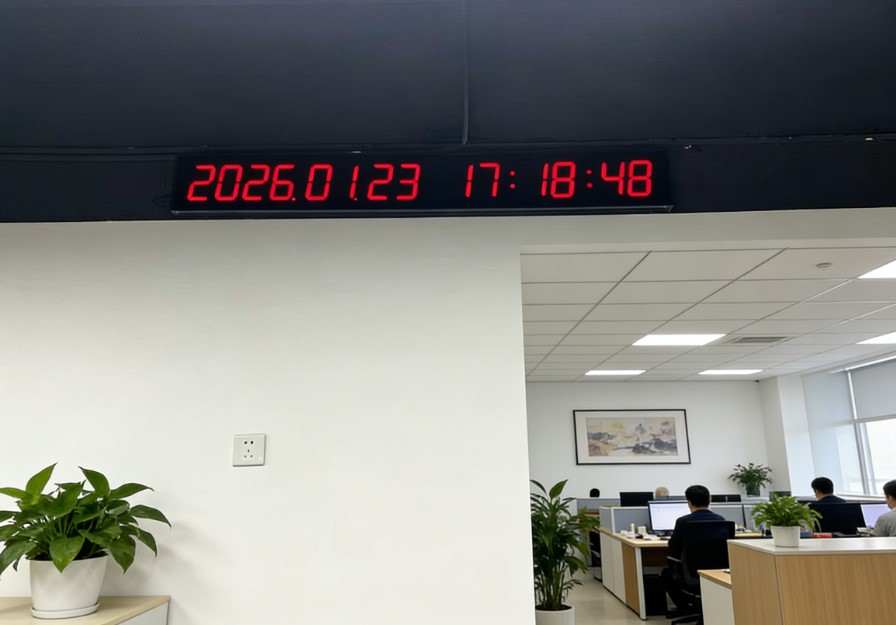
Choosing the right time synchronization solution is essential for any organization that relies on accurate and synchronized time across multiple devices or locations. Wi-Fi clocks and POE (Power over Ethernet) clocks are two of the most common solutions. Both offer reliable synchronization, but the choice between them depends on your facility’s needs. In this post, we’ll explore key factors to consider when selecting a Wi-Fi clock or POE clock for environments like hospitals, schools, offices, cleanrooms, and more.
Before making your decision, it’s important to understand the differences between Wi-Fi clocks and POE clocks:
Wi-Fi Clocks: These clocks connect to your existing wireless network, making them ideal for locations with an established Wi-Fi infrastructure. They are easy to install, flexible in placement, and offer simple connectivity without the need for additional wiring.
POE Clocks: Power over Ethernet clocks require both power and data to be transmitted through a single Ethernet cable. These clocks are ideal for locations with a stable wired network and are often more secure and reliable compared to Wi-Fi clocks.
The infrastructure of your facility plays a significant role in deciding between a Wi-Fi clock and a POE clock.
Wi-Fi Clocks are a good choice for facilities with a reliable Wi-Fi network. They are perfect for schools, small offices, and shared spaces where easy installation and flexibility are key. Wi-Fi clocks can be placed in any location with Wi-Fi coverage, providing convenience without the need for running additional cables.
POE Clocks, on the other hand, are ideal for hospitals, cleanrooms, large office buildings, and factories, where wired networks are already in place. These clocks offer more stability and precision, making them well-suited for mission-critical environments that require consistent and highly accurate time synchronization.
Wi-Fi Clocks: Since Wi-Fi clocks only need access to a power outlet and Wi-Fi, they are easy to install and relocate. They are great for areas where adding extra wiring or outlets might be difficult, such as classrooms, waiting rooms, or shared workspaces.
POE Clocks: POE clocks require Ethernet cabling for both power and data. This makes them an ideal solution for facilities like hospitals, where stability and precision are crucial. While the installation may take more time, POE clocks offer a streamlined approach to networked time synchronization.
Hospitals: In hospitals, where real-time synchronization is critical for patient care and scheduling, POE clocks are often the best choice. They ensure that every department—whether it's emergency rooms, operating rooms, or patient wards—has accurate, synchronized time. However, Wi-Fi clocks are also a viable option in smaller hospital wings or administrative areas.
Schools: For schools, where flexibility and easy installation are essential, Wi-Fi clocks are often preferred. They can be placed in classrooms, hallways, and libraries without the need for additional cabling. However, POE clocks may be considered for areas requiring higher security or more precise synchronization, such as laboratories and administrative offices.
Offices: In office environments, both Wi-Fi clocks and POE clocks have their benefits. Wi-Fi clocks can be used in common areas, meeting rooms, or break rooms, while POE clocks are great for larger office complexes or areas with critical time-sensitive operations.
Cleanrooms and Industrial Areas: In cleanrooms or industrial settings, where precision and reliability are crucial, POE clocks are often the preferred choice. These environments benefit from the stability and accuracy that POE clocks provide. Wi-Fi clocks may be suitable for administrative areas but are less reliable for critical operations.
Wi-Fi Clocks: Wi-Fi clocks are subject to potential risks from network congestion or security vulnerabilities. For environments like schools or offices, where network security can be managed effectively, Wi-Fi clocks can be a cost-effective solution. However, be sure to secure your wireless network with encryption protocols to ensure the safety of your data.
POE Clocks: Since POE clocks use a wired connection, they tend to be more secure and less prone to interruptions. In high-security environments like hospitals and government offices, where accurate and tamper-proof timekeeping is essential, POE clocks offer the added advantage of enhanced security.
Wi-Fi Clocks: While Wi-Fi clocks are generally accurate, they can be affected by network traffic or signal interference, making them less precise than POE clocks. However, they can still offer accurate time synchronization when connected to a reliable network.
POE Clocks: POE clocks are often more precise and stable, making them suitable for industries where exact time synchronization is crucial, such as in medical labs, manufacturing facilities, and data centers.
Wi-Fi Clocks are generally more cost-effective when it comes to installation and maintenance. They are ideal for smaller organizations with budget considerations, such as schools, small businesses, or community centers.
POE Clocks are typically more expensive due to the need for Ethernet wiring, but they provide more accurate synchronization and higher reliability. They are suitable for larger enterprises or critical environments like hospitals, cleanrooms, or factories, where precise timekeeping is essential.
Choosing between Wi-Fi clocks and POE clocks ultimately depends on your facility's needs. Wi-Fi clocks are flexible, easy to install, and great for environments where network infrastructure is in place, such as schools, offices, and small healthcare settings. On the other hand, POE clocks are ideal for larger facilities or critical environments like hospitals, cleanrooms, and factories, where time accuracy, security, and reliability are paramount.
If you need further guidance on which clock system will best suit your needs, reach out to SyncTimeHub today. We offer both Wi-Fi and POE clocks tailored to the unique requirements of your facility, providing reliable and efficient time synchronization solutions for any industry.
Contact us now to learn more and find the best time synchronization solution for your organization!
 Back to List

Customer Hotline: