Harbin Institute of Technology (HIT), established in 1920, is renowned as the "Cradle of Engineers" in China. It was one of the two model universities for adopting foreign higher education systems in 1951, became one of the first six key national universities in 1954, and was selected in the inaugural groups of the "211 Project" (1996) and "985 Project" (1999). In 2017, HIT was included in the Double First-Class (World-Class Universities and Disciplines) initiative as a Class A university, with eight disciplines selected in the 2022 batch.
The Shenzhen campus of HIT is a collaboration between HIT and the Shenzhen municipal government. It offers a comprehensive full-time undergraduate and graduate education system, positioning itself as a high-level campus aligned with national needs and the economic development goals of Guangdong Province and Shenzhen City. It serves as a hub for educational reform, talent cultivation, innovation, and international collaboration.
Currently, the Shenzhen campus houses 11 colleges and 4 research institutes, with nearly 700 full-time faculty members, approximately 90 part-time faculty, over 200 postdoctoral researchers, and about 12,000 full-time students (including 6,000 undergraduates and 6,000 graduate students).
HIT Shenzhen required a reliable, precise, and synchronized timekeeping system capable of:
Delivering high-precision time signals across all campus facilities.
Automatically calibrating time daily with zero cumulative timing error.
Ensuring system stability and anti-interference capabilities under diverse environmental conditions.
Providing efficient, remote time synchronization management and real-time system monitoring.

Shutai Clock System delivered the following components:
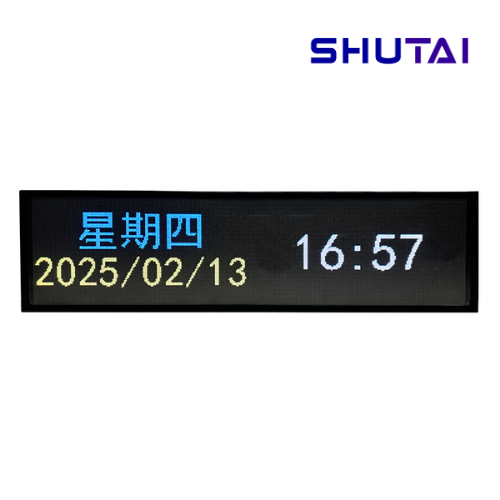
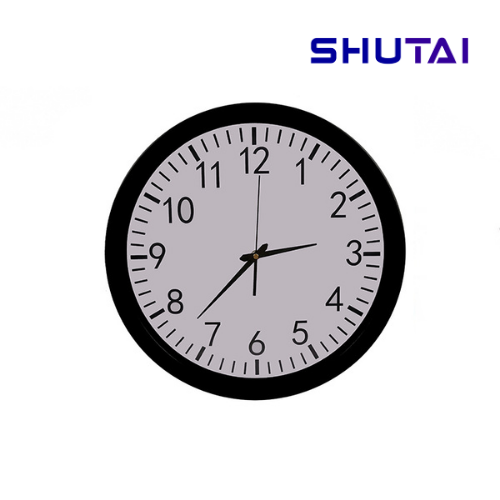
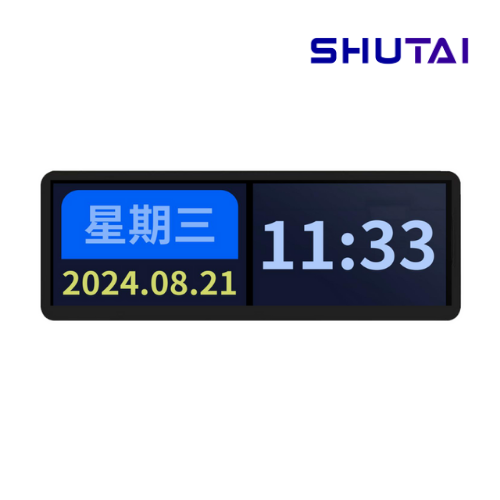
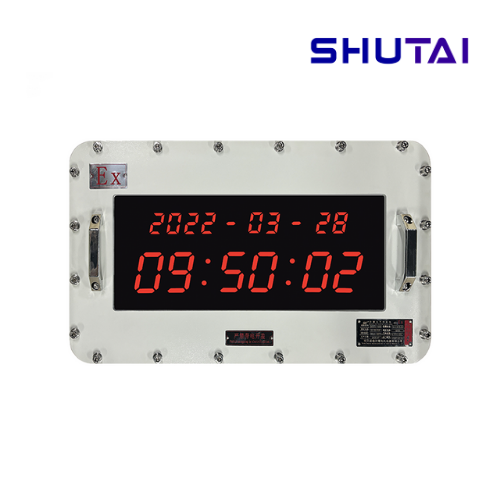
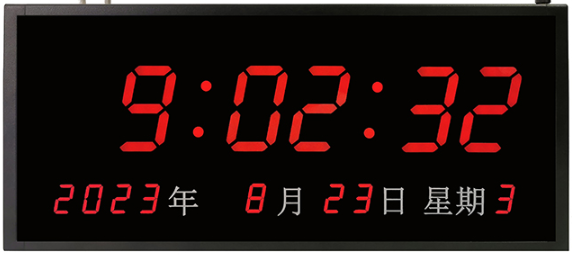
Wired Digital Synchronized Clocks (DH2248):
These clocks receive precise signals from Beidou/GPS satellites and automatically calibrate daily. The system guarantees no cumulative timing errors, meeting the needs of synchronized timing across all departments and areas on campus.
Beidou Satellite Clock System:
Utilizes advanced Beidou satellite navigation combined with a high-precision atomic clock as a stable time source. This system offers excellent resistance to weather and electromagnetic interference, ensuring continuous stable operation.
NTP Time Management Server:
A high-performance NTP server was deployed with optimized network architecture and algorithms. It synchronizes time for all devices across campus, supports multiple protocols for compatibility with various operating systems and equipment.
Centralized Time Management Platform:
Provides real-time monitoring of the time synchronization system’s status, quickly identifying and resolving potential issues. Supports remote configuration and management to improve operational efficiency.
Fundamental Resolution of Time Synchronization Issues:
The Shutai system’s precision and stability have thoroughly resolved timing inconsistencies, facilitating smooth execution of scientific experiments, academic activities, and campus operations.
Enhanced Operational Efficiency:
The intelligent monitoring and management platform significantly simplified maintenance tasks, enabling remote troubleshooting and configuration, which substantially lowered operational costs.
Robustness and Reliability:
The system’s strong anti-interference design ensures reliable time synchronization under varying environmental conditions.
Changsha Tianqiong Electronic Technology Co., Ltd. specializes in high-end satellite navigation timing products, focusing on research, production, and sales in the time-frequency domain. The company provides premium time-frequency products and services to various industries including healthcare, education, enterprises, and government agencies. The Shutai Clock brand is recognized as the leading synchronized clock solution in China, trusted by many institutions for accurate timing services.
 Back to List

Customer Hotline: