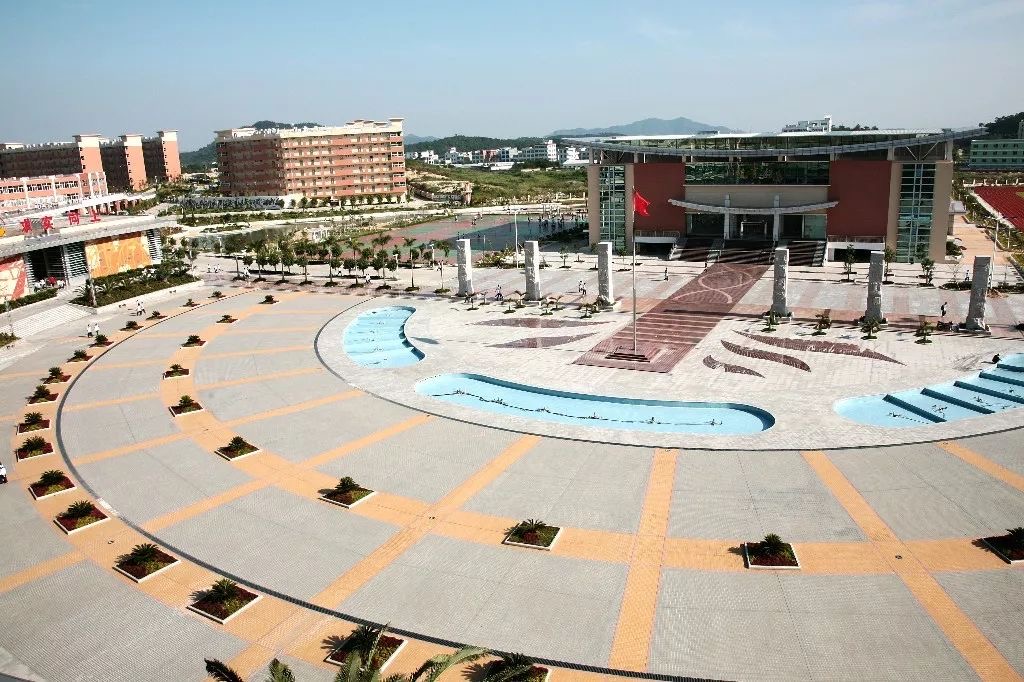
Jinshan Middle School, Shantou traces its origins to the Jinshan Academy, founded in 1877 on Jinshan Hill in Chaozhou. With a history spanning 148 years, the school has evolved through multiple educational eras—from classical Confucian education and modern schooling to revolutionary cultural education and today's Distinctive and modern education—earning an outstanding reputation across Chaoshan, eastern Guangdong, and the province as a whole.
The school preserves more than 10,426 volumes of Ming and Qing dynasty ancient books, including eight titles listed in the Guangdong Provincial Catalogue of Precious Ancient Books, as well as over 5,000 Republican-era publications, reflecting its profound academic heritage.
Located in the Queshi 4A National Scenic Area of Shantou, the campus covers approximately 106,000 m², with a total building area of 75,000 m². The school serves over 3,600 students and employs 300 faculty members, including senior teachers, master’s degree holders, and multiple provincial and municipal teaching studio leaders.
Inconsistent Exam Timing Threatens Examination Fairness
Traditional examination rooms often rely on manually adjusted clocks or standalone electronic timepieces. Variations caused by device drift or human error can lead to time discrepancies between exam rooms—disrupting students’ pacing and potentially raising concerns over examination fairness.
As a provincial key secondary school responsible for organizing major examinations such as the National College Entrance Examination (Gaokao), Senior High School Entrance Examination, and academic proficiency tests, Jinshan Middle School required a high-precision, unified time synchronization solution to eliminate these risks.
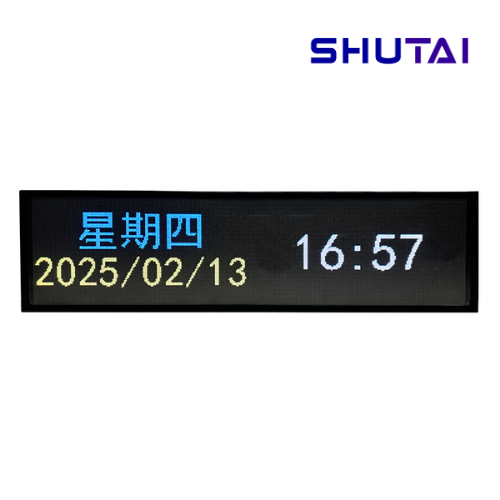
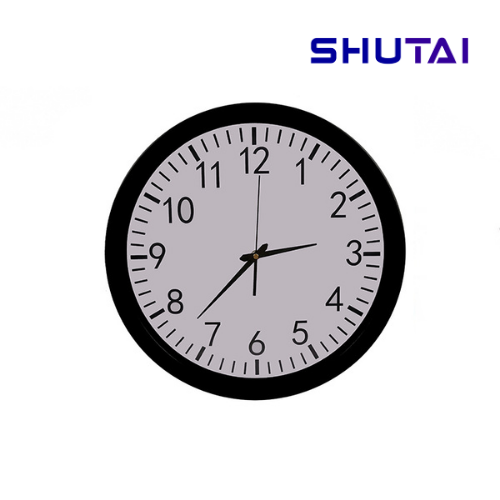
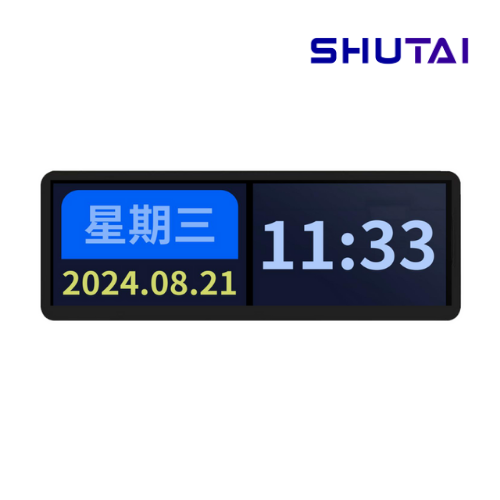
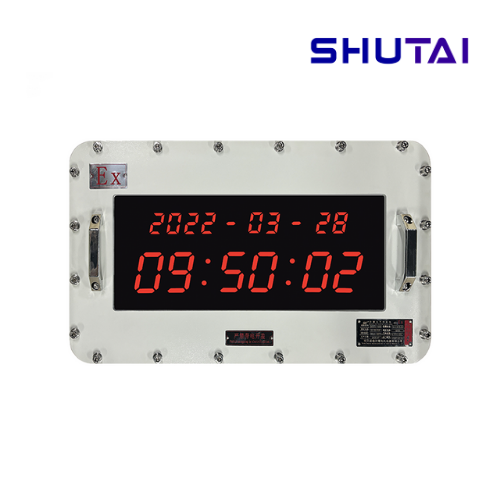
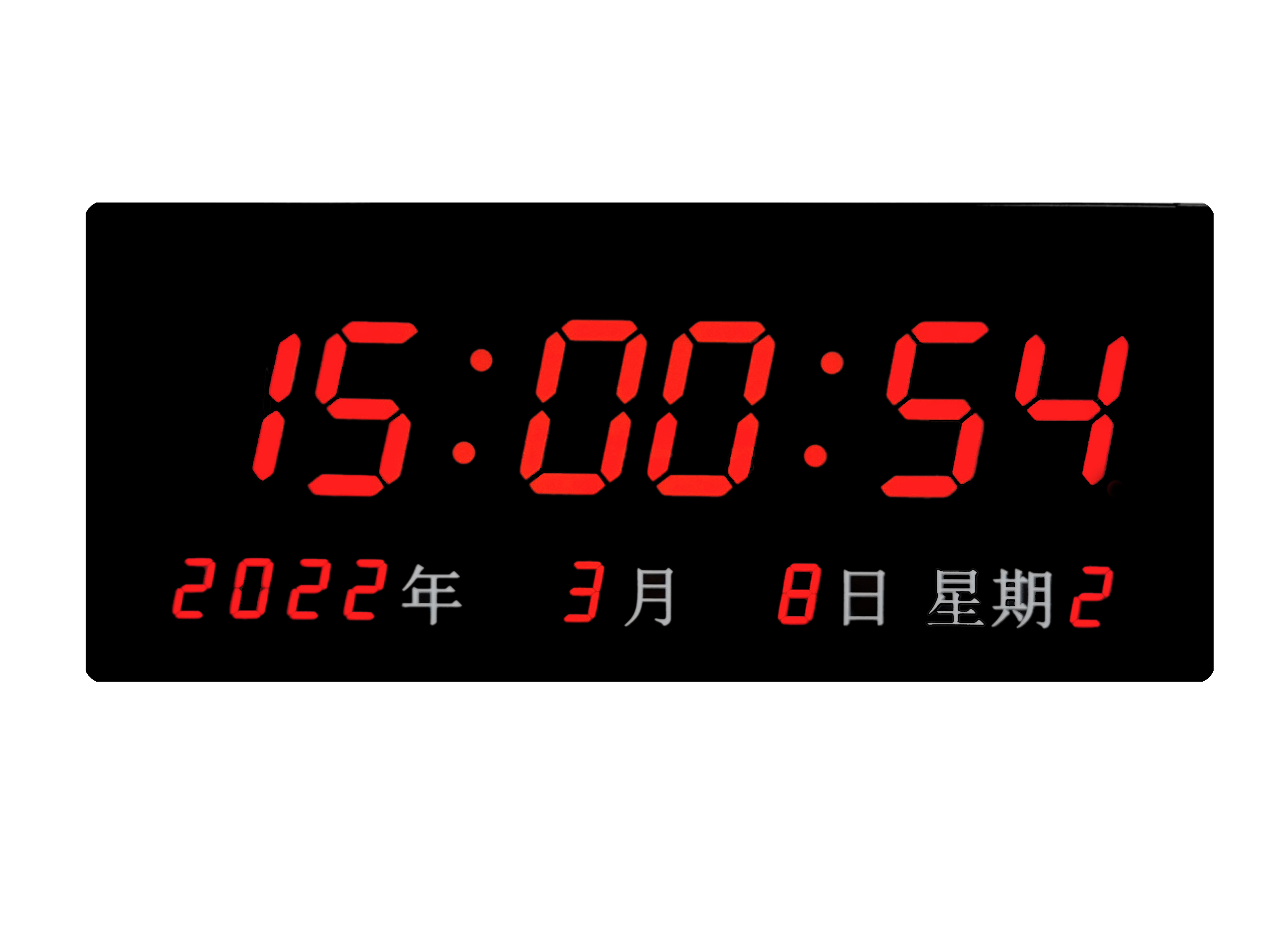
Shutai Standardized Examination Clock System
Jinshan Middle School deployed the Shutai Standardized Examination Clock System, covering 60 examination rooms and key functional areas including the examination administration office and monitoring center. The system delivers millisecond-level time synchronization through the following technologies:
Direct synchronization with the National Time Service Center, eliminating regional time deviations.
Ensures absolute consistency between all campus clocks and official standard time.
Distributed master–slave clock architecture ensures that single-point failures do not affect overall system operation.
Supports dual communication links (wired and wireless), adapting to complex examination room layouts.
Examination administrators can remotely synchronize all clocks with a single command.
Real-time monitoring of device status with automatic alerts for anomalies such as low battery levels or signal interruptions.
From Manual Coordination to Intelligent Control
Significant Efficiency Gains:
Automatic synchronization of all exam room clocks 30 minutes before each exam, reducing manual inspection workload by 80%.
Zero Time-Related Complaints:
Over 12 large-scale examinations supported within one year, with no disputes or complaints related to exam timing.
Standardized Exam Room Compliance:
Fully compliant with national standardized examination room construction requirements.
“The Shutai system has completely eliminated ‘time anxiety’ in our examination management.”
“Now invigilators can focus solely on maintaining order, and students can sit their exams with confidence. This system not only improves administrative efficiency but also provides a strong technological safeguard for educational fairness.”
Shutai clock systems have been deployed in 300+ schools nationwide. Beyond precise time synchronization, they provide a unified time axis for AI-based invigilation, emergency broadcasting, and exam recording systems.
Under Guangdong’s new Gaokao reform framework, Jinshan Middle School’s implementation serves as a replicable benchmark for advancing standardized examination room construction across the province.
 Back to List
Customer Hotline: