In today's world, precise time synchronization is critical for numerous industries, ranging from healthcare to manufacturing. As industries increasingly rely on interconnected systems and real-time data, the demand for accurate and reliable timekeeping has grown substantially. Here’s a look at how time synchronization plays a vital role across various sectors and why it's more important than ever.
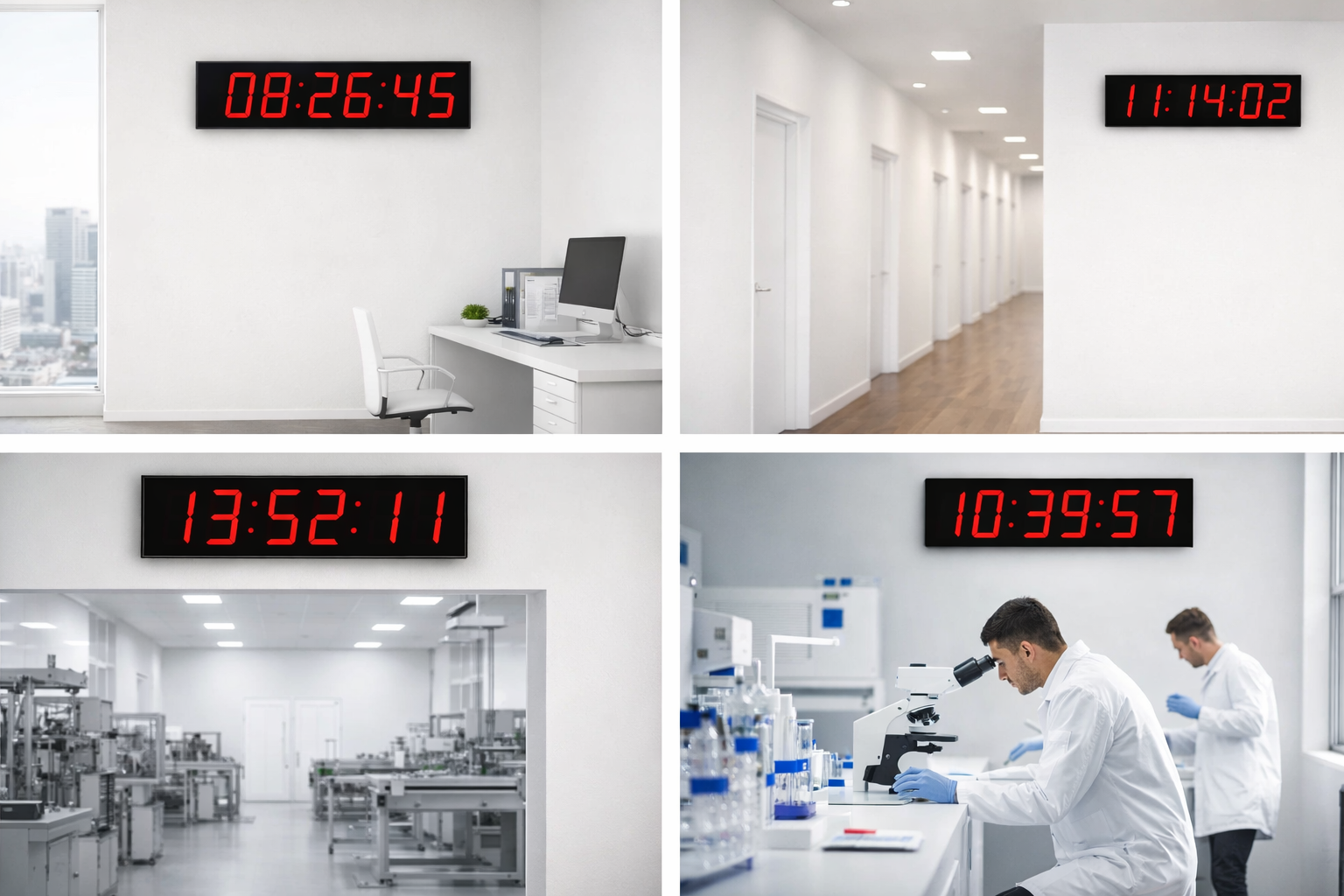
In healthcare, accurate time synchronization is crucial for several reasons. Medical equipment, such as infusion pumps, patient monitoring systems, and diagnostic tools, rely on synchronized time to function effectively. Without precise timekeeping, these systems can fall out of sync, leading to errors that could compromise patient safety.
Hospitals and medical facilities rely on technologies like GPS clocks and NTP servers to ensure all devices are operating on the same time. This not only enhances operational efficiency but also ensures compliance with regulations and standards that mandate the use of accurate time for medical records.
Manufacturing plants, power grids, and other industrial facilities also depend on time synchronization for efficient operations. Industrial processes often involve the integration of multiple systems, each requiring precise timing to avoid errors and ensure smooth production cycles. From process automation to quality control, time synchronization helps maintain accurate data collection and traceability.
Moreover, time synchronization ensures that data logs are consistent across all devices, which is essential for meeting industry standards and regulatory compliance, especially in sectors like pharmaceuticals and aerospace, where even the smallest error could have significant consequences.
NTP servers have become the gold standard for time synchronization in many industries, providing a reliable and scalable solution. They ensure that all devices within a network are synchronized to a universal time standard, often via GPS signals that offer unparalleled accuracy.
GPS clocks are particularly crucial in environments where real-time data and communication are critical. Their ability to maintain high precision without relying on an internet connection makes them ideal for use in remote locations, such as oil rigs or military operations.
Looking ahead, the demand for accurate time synchronization is expected to increase, particularly with the rise of 5G networks, IoT (Internet of Things) devices, and smart cities. As the number of connected devices grows, the need for centralized time synchronization becomes even more pressing.
Advancements in technologies such as atomic clocks, blockchain for time-stamping, and machine learning algorithms for predictive maintenance are set to revolutionize time synchronization in the coming years.
Whether you're in healthcare, manufacturing, or any other industry that relies on precise timekeeping, investing in reliable time synchronization solutions is essential for ensuring operational efficiency, safety, and regulatory compliance. As we move toward a more connected and automated future, the role of accurate time synchronization will only continue to grow in importance.
Stay tuned to our news section for more updates and insights on time synchronization and its impact on various industries.
 Back to List

Customer Hotline: